
Containment first
Asbestos Removal in Bay Shore
Suspect material lifted out of houses and commercial spaces while the dust stays on the far side of the plastic.
The Material Comes Out. The Dust Stays Put.
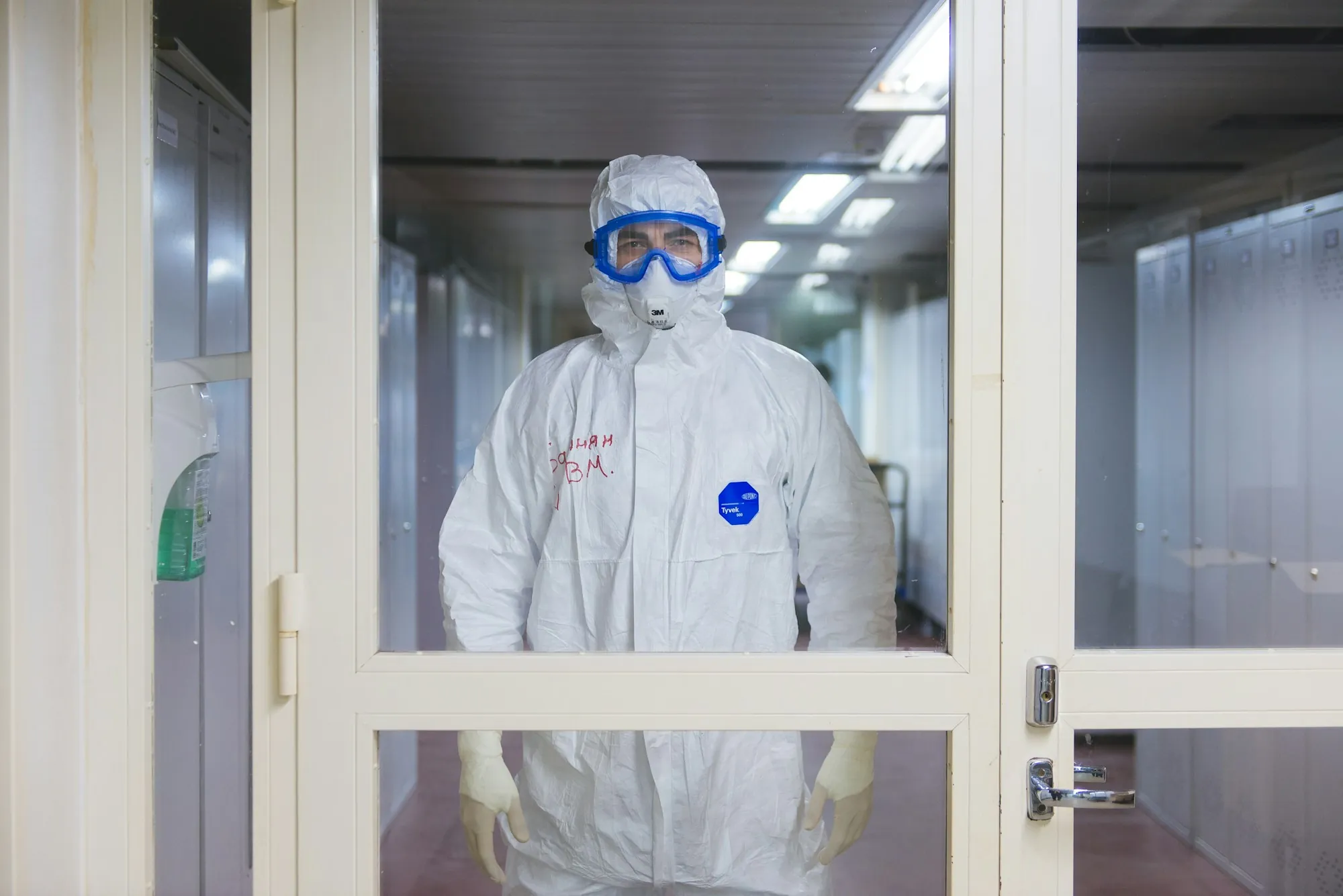
Asbestos usually turns up by accident. A wall gets opened for new wiring. Someone pries up a corner of basement flooring. A heating contractor squints at the boiler and stops talking. Left whole and undisturbed, much of that material sits quietly. It becomes a problem the moment it is snapped, ground, drilled or ripped out, because that is when fibers break loose and ride the air. Good removal has a single aim: none of those fibers leave the enclosure. So the room is wrapped before anybody picks up a scraper. Poly on the floor, poly on the walls. Registers, door frames and pipe chases taped closed. Negative air machines drawing air in through HEPA filters, so whatever floats drifts toward a filter and not toward your living room. Licensed handlers mist each piece as they work it loose, then seal it into marked bags right there inside the work zone. Around Bay Shore, the usual list looks like this: steam pipe and boiler lagging before a furnace swap, old resilient tile and the black adhesive under it, popcorn ceilings, wallboard compound, cement siding shingles and the papery wrap on old ducts. Storefronts, offices and apartment buildings get the identical routine. After the final bag is closed, every surface gets a vacuum pass and a damp-wipe pass, and a third-party technician must record clean air before a single sheet of plastic is cut down.
What a Removal Job Covers
Buildings differ, but this list covers most of what our crews end up pulling.
Pipe and boiler insulation
Lagging on runs, elbows and boiler jackets cleared so the new heating system can go in.
Floor tile and black mastic
Old squares and the dark glue below lifted while damp, leaving a clean slab for new flooring.
Popcorn and textured ceilings
Sprayed texture scraped off with the entire room enclosed, not just the section overhead.
Joint compound and plaster
Wall finishes that came back positive cleared out before the remodel opens them.
Siding, roofing and duct wrap
Exterior shingles of cement pried off intact when they allow it, plus brittle wrap stripped from old ductwork.
Sealed disposal
Kept damp, sealed in bags or sheeting, marked and trucked to a disposal site licensed to take it.
Cleanup and air clearance
Vacuuming, damp wiping and a third-party air reading before anyone reoccupies the room.
How a Removal Goes
Confirm what is there
We begin with what you spotted and the project waiting behind it. Untested material gets sampled by a certified inspector first, so the price covers only what the lab actually confirms.
Enclose the space and remove
Once the written scope is approved, the crew hangs poly and switches on the negative air machines. Material is misted, worked loose and bagged inside the enclosure, one section at a time.
Clean, sample and release
Two cleaning passes, vacuum then damp cloth. A third-party technician samples the air. When it passes, the sheeting is cut away and your carpenter or your kids can walk back in.
Why Homeowners Trust the Process
Negative air every time
Filtered machines pull air into the enclosure, so loose fibers head for a HEPA filter instead of the bedrooms.
Wet methods, not dry scraping
A misted surface keeps the dust heavy and close to where it started.
Done when the air says so
A broom-clean floor proves nothing. A passing air sample does.
- Full containment
- HEPA negative air
- Sealed disposal
- Clearance tested
Found Something You Do Not Want to Disturb?
Smart move. Leave it where it is and describe it to us: the color, the spot, what work is coming. You will hear how sampling and an enclosure would work in that particular room.